The Creative Frontier
Breakthroughs in the Arts
In 2025, the arts are not just evolving—they’re transforming. Fueled by cutting-edge technologies like artificial intelligence (AI), augmented reality (AR), and immersive platforms, creative disciplines are entering a new era of expression, accessibility, and innovation. Whether it’s a holographic stage performance or AI-assisted choreography, the boundaries of what’s possible in the arts are expanding rapidly.
Visual Arts: From Canvas to Code
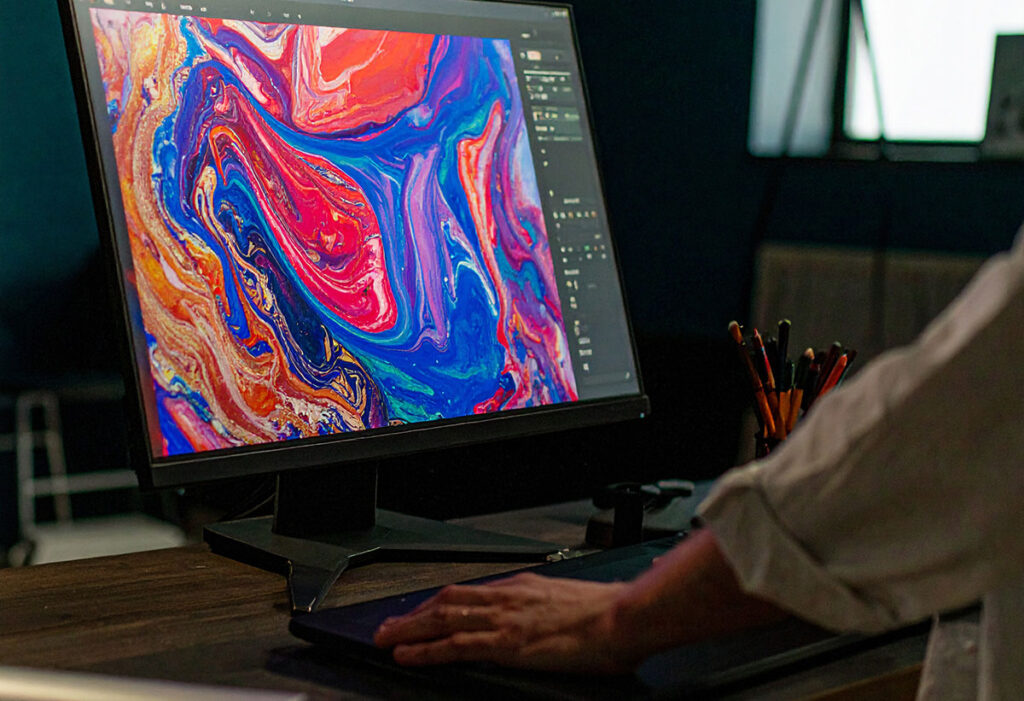
Visual arts have embraced digital transformation with open arms. Artists now use AI-powered tools to generate, refine, and even disrupt traditional aesthetics. Platforms like DALL·E and Runway ML allow creators to experiment with generative art, while 3D printing and digital sculpting tools redefine physical creation.
Augmented reality (AR) and virtual reality (VR) are also reshaping how audiences experience art. Interactive installations and virtual galleries let viewers step inside artworks, explore layers of meaning, and engage with pieces in real time. Blockchain and NFTs have introduced new models for ownership, provenance, and monetization, giving digital artists more control over their work.
Performing Arts: Immersive, Interactive, and Intelligent
The performing arts are undergoing a digital renaissance. AI is now used to generate scripts, analyze audience reactions, and even co-create performances. Motion capture and projection mapping allow choreographers and directors to visualize scenes before rehearsals, while wearable tech adds new dimensions to live shows.
Virtual reality (VR) and mixed reality (MR) performances are gaining traction, enabling audiences to experience theatre, dance, and music in fully immersive environments. Productions like “Sleep No More” and “The Night Café” blend physical movement with digital storytelling, creating participatory art that blurs the line between performer and spectator.
Streaming platforms and cloud-based collaboration tools have democratized access to performance, allowing artists to reach global audiences without geographic constraints. This shift is fostering more diverse voices and experimental formats across the performing arts landscape.
Music: AI, Spatial Sound, and Global Collaboration
Music production has become more intuitive, intelligent, and collaborative. AI-powered plugins assist with composition, mixing, and mastering, while platforms like LANDR and iZotope offer real-time feedback and automated enhancements. Musicians can now co-create across continents using cloud-based DAWs and virtual jam spaces.
Spatial audio and immersive sound design are redefining how music is experienced. Dolby Atmos and binaural mixing techniques place listeners inside the soundscape, creating 360-degree sonic environments that respond to movement and mood. Live performances are also evolving, with holographic concerts and AR-enhanced stages becoming more common.
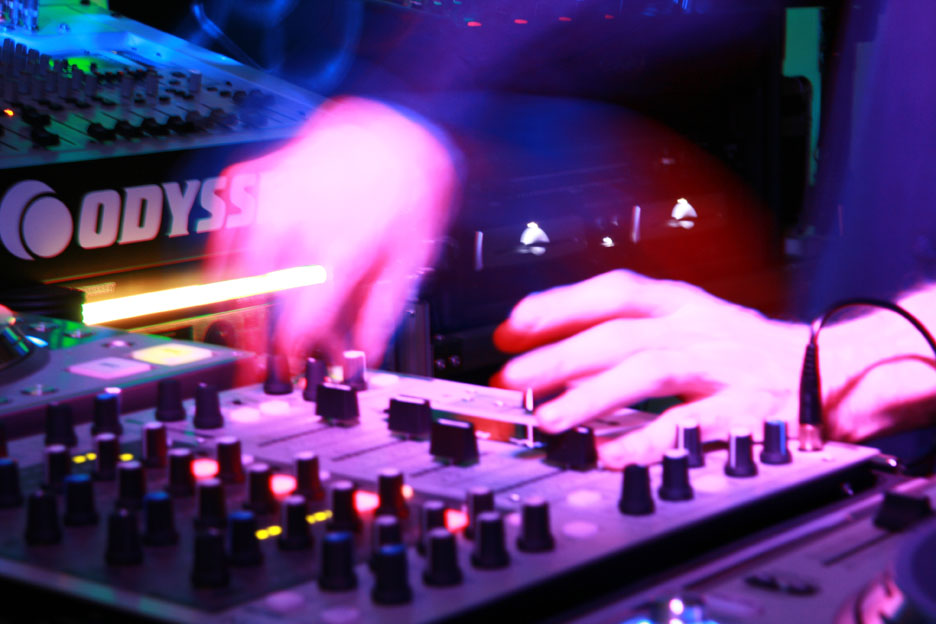
Digital instruments, smart controllers, and wearable tech allow performers to manipulate sound through gesture and motion. These tools are not just functional—they’re expressive, turning the act of making music into a visual and physical experience.
Theatre: From Ancient Craft to Digital Spectacle
Theatre has always been a blend of tradition and innovation, and today’s advancements are pushing it into new realms. Projection mapping, holography, and automated lighting systems create dynamic, responsive sets that evolve with the narrative. Directors can now pre-visualize entire productions using VR, saving time and enhancing creative precision.
AI is also entering the rehearsal room, helping playwrights refine dialogue and enabling smart lighting and sound cues that adapt to performers’ movements. Remote collaboration tools allow global casts and crews to work together seamlessly, while digital ticketing and live-streaming platforms expand access to audiences worldwide.
Inclusivity and accessibility are central to modern theatre tech. Captioning, audio description, and adaptive interfaces ensure that performances reach broader audiences, while immersive technologies offer new ways to engage viewers with disabilities or mobility challenges.
Dance: Motion Meets Machine
Dance is embracing technology in ways that amplify its expressive power. Motion capture systems record and analyze movement, allowing choreographers to refine routines and create digital avatars that mirror human motion. Platforms like Motion Bank and ChoreoRoom digitize choreography, making it easier to archive, share, and remix.
AR and VR are transforming the stage into a responsive canvas. Dancers interact with holographic elements, perform alongside virtual partners, and explore choreography in simulated environments. These tools offer new possibilities for training, performance, and audience engagement.
Wearable tech like Electronic Traces ballet shoes and smart fabrics track movement, pressure, and alignment, providing real-time feedback for dancers. This data-driven approach enhances technique, reduces injury risk, and opens new doors for interdisciplinary collaboration between dance, design, and digital media.
The Future of Artistic Expression
Across visual arts, performing arts, music, theatre, and dance, technology is not replacing creativity—it’s amplifying it. These advancements are making the arts more immersive, inclusive, and interconnected than ever before. Whether you’re a creator, performer, or enthusiast, the future of artistic expression is bright, bold, and beautifully tech-infused.
Glowforge
Please visit our affiliate sponsor Glowforge and if you choose to make a purchase, we may earn a small commission, at no extra cost to you. Your support helps us keep creating helpful content.
Glowforge laser engravers are redefining creativity for makers, artists, and entrepreneurs with their powerful, user-friendly design. Whether you’re crafting custom wood signs, engraving leather wallets, or cutting intricate acrylic shapes, Glowforge machines deliver precision and versatility across hundreds of materials—including wood, paper, leather, fabric, and even food.

What sets Glowforge apart is its seamless integration of hardware and software. The intuitive design platform allows you to upload, customize, and print your creations with ease—no steep learning curve required. Whether you’re just starting out or scaling up your creative business, Glowforge offers a premium engraving experience that turns imagination into reality Try Glowforge today!
Related Articles:
How to Choose the Right Laser Engraver: A Creator’s Guide
The Future of Work: Hybrid Models and Digital Nomads
Run Your Day: How Wearable Tech Enhances Your Creativity
Personalize Your Brand: AI-Driven Marketing for Success
Master Digital Art: Popular Creative Tools for Artists
Share This Page: