
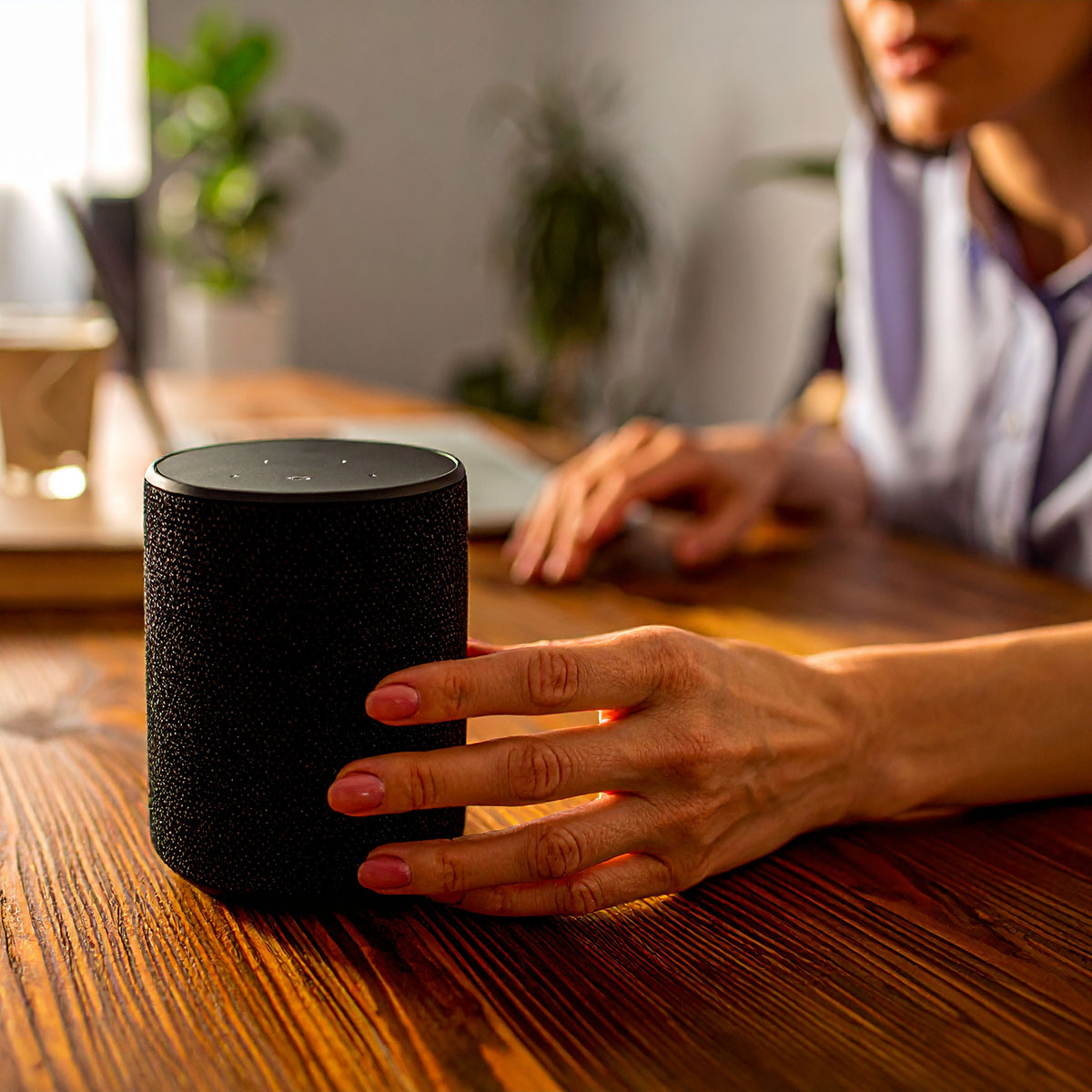
In today’s fast-paced world, convenience and efficiency are more than luxuries—they’re necessities. Enter smart voice assistants, the AI-powered companions that are transforming how we manage our homes, schedules, and daily routines. From waking you up with a personalized playlist to locking your doors at night, voice assistants like Alexa, Google Assistant, and Siri are redefining what it means to live smart.
What Are Voice Assistants?
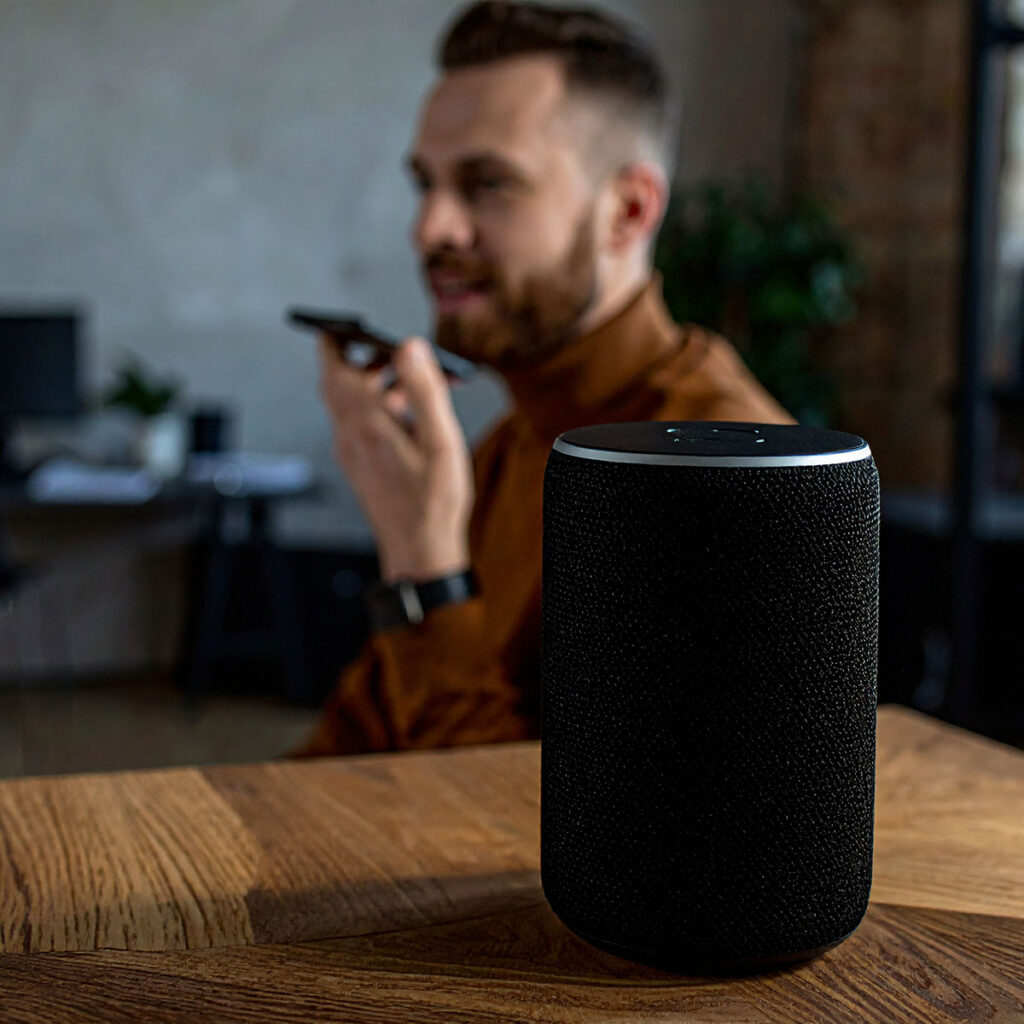
Voice assistants are software agents powered by artificial intelligence that respond to spoken commands. They use natural language processing (NLP) to understand and execute tasks, ranging from simple queries to complex multi-step routines. Whether embedded in smart speakers, smartphones, or home hubs, these assistants are designed to make life easier by automating everyday actions.
Popular voice assistants include:
- Amazon Alexa: Known for its wide compatibility and smart home integration
- Google Assistant: Praised for contextual understanding and ecosystem syncing
- Apple Siri: Seamlessly integrated into Apple’s ecosystem via HomeKit
- Samsung Bixby, Microsoft Cortana, and others also serve niche markets
Smart Home Control Made Simple
One of the most popular uses for voice assistants is managing smart home devices. With a simple command like “Hey Google, dim the living room lights to 30%,” users can control lighting, thermostats, locks, cameras, and appliances. Google Assistant, in particular, excels at understanding varied phrasing and contextual commands, making it ideal for complex routines involving multiple device types.
Amazon Alexa remains the most compatible and versatile option, connecting with thousands of smart home products. It’s especially effective in chaotic environments, where quick, reliable responses are essential. Siri, meanwhile, offers a streamlined experience for Apple users, integrating effortlessly with HomeKit to manage devices with minimal setup.
Streamlining Daily Routines
Voice assistants aren’t just about smart homes—they’re personal organizers. You can ask them to:
- Set alarms and reminders
- Schedule meetings and appointments
- Send messages or make calls
- Provide traffic updates and weather forecasts
- Read news headlines or play podcasts
These assistants recognize individual voices, allowing personalized responses for different household members. For example, Google Assistant can access separate calendars and preferences based on who’s speaking, making it a true family-friendly tool.
Entertainment on Demand
Need a soundtrack for your morning workout or a movie night? Voice assistants can queue up playlists, stream music, or control your TV. Alexa and Google Assistant integrate with platforms like Spotify, Apple Music, Netflix, and YouTube, turning your voice into a remote control.
Smart speakers like the Amazon Echo and Google Nest Audio offer high-quality sound and voice-enabled entertainment control. You can say “Play jazz in the kitchen” or “Pause the movie in the living room,” and your assistant will handle it instantly.
Security and Peace of Mind
Voice assistants also enhance home security. You can lock doors, check camera feeds, and activate alarm systems with a simple command. Devices like the REOLINK 2K Solar Security Camera integrate with Alexa and Google Assistant, allowing voice-controlled surveillance and alerts.
Some assistants offer routines like “Goodnight mode,” which can turn off lights, lock doors, and adjust the thermostat—all triggered by a single phrase. These features not only save time but also provide reassurance that your home is secure.
Accessibility and Inclusivity
Voice control is a game-changer for accessibility. For individuals with mobility challenges, visual impairments, or cognitive differences, voice assistants offer independence and ease. Tasks that once required physical interaction—like adjusting lighting or sending messages—can now be done hands-free.
Multi-language support and customizable voice settings also make these tools more inclusive. Google Assistant, for example, supports dozens of languages and dialects, allowing users around the world to interact in their native tongue.
Integration with Other Platforms
Voice assistants are increasingly integrated with third-party apps and services. You can use them to:
- Order groceries or takeout
- Track fitness goals
- Control smart thermostats and irrigation systems
- Manage to-do lists and productivity apps
This ecosystem approach means your assistant isn’t just a voice—it’s a hub for your digital life. Google Assistant works seamlessly with Google Workspace, while Alexa integrates with Amazon services and smart home platforms like SmartThings.
Privacy and Security Considerations
As voice assistants become more embedded in our lives, privacy concerns have grown. Most platforms now offer features like:
- Local processing: Commands are handled on-device to reduce data sharing
- Voice match: Ensures personalized responses and account protection
- Data encryption: Safeguards communications and device interactions
Users can also review and delete voice recordings, manage permissions, and disable features like wake-word detection when not in use. Transparency and control are key to maintaining trust in these technologies.
The Future of Voice-Controlled Living
Looking ahead, voice assistants will become even more intelligent and proactive. Advances in AI and machine learning will allow them to anticipate needs, offer suggestions, and adapt to changing routines. Imagine an assistant that notices you’re running late and automatically reschedules your meeting, adjusts your commute route, and sends a text to your colleague.
We’ll also see deeper integration with wearable tech, smart vehicles, and augmented reality. Voice control will extend beyond the home, becoming a seamless part of how we interact with the world—hands-free, intuitive, and personalized.
Voice as a Lifestyle
Voice assistants are no longer just gadgets—they’re lifestyle enhancers. By simplifying tasks, connecting devices, and personalizing experiences, they help us reclaim time and reduce friction in our daily routines. Whether you’re managing a household, working remotely, or just trying to stay organized, voice control offers a smarter, smoother way to live.
So go ahead, say the word. Your day is ready to listen.
Fieldy AI
Please visit our affiliate sponsor Fieldy AI and if you choose to make a purchase, we may earn a small commission, at no extra cost to you. Your support helps us keep creating helpful content.
Meet Fieldy – the revolutionary wearable AI note taker designed to capture your conversations, ideas, and insights effortlessly. Whether you’re in a meeting, walking through an interview, or brainstorming on the go, Fieldy listens, transcribes, and organizes your speech in real time. Just clip it on and let it work its magic – no need to pull out your phone or scribble notes. With advanced voice recognition and speaker identification, Fieldy transforms spoken words into clean, searchable summaries that sync instantly to your mobile app or dashboard. It’s hands-free, hassle-free, and built to keep you fully present.
Fieldy isn’t just smart, it’s discreet, lightweight, and privacy-first. The device filters out background noise, understands tone and nuance, and never stores audio after processing, making it ideal for sensitive environments like healthcare, legal, or education. Whether you’re a student, coach, consultant, or creator, Fieldy fits seamlessly into your workflow and frees your mind to focus on what matters.
Get Fieldy here.
Share This Page: