
In August 2025, Beijing, China, became the epicenter of a groundbreaking event that marked a new chapter in the evolution of robotics and artificial intelligence: the first-ever World Humanoid Robot Games (WHRG). Held at the National Speed Skating Oval—famously known as the “Ice Ribbon” from the 2022 Winter Olympics—this three-day spectacle brought together over 500 humanoid robots from 280 teams across 16 countries, including the United States, Germany, Japan, and Brazil.
A Dazzling Opening Ceremony
The WHRG kicked off with a vibrant and theatrical opening ceremony that showcased the versatility and creativity of humanoid robots. Attendees watched as robots performed hip-hop dance routines, martial arts demonstrations, and live musical acts on keyboards, guitars, and drums. Robots strutted down fashion runways alongside human models, attempted backflips, and even cheered like sports fans. While some robots stumbled or required assistance, others demonstrated impressive autonomy—one robot scored a soccer goal after several tries, while another fell and stood up unassisted.
Events That Blend Sport and Science
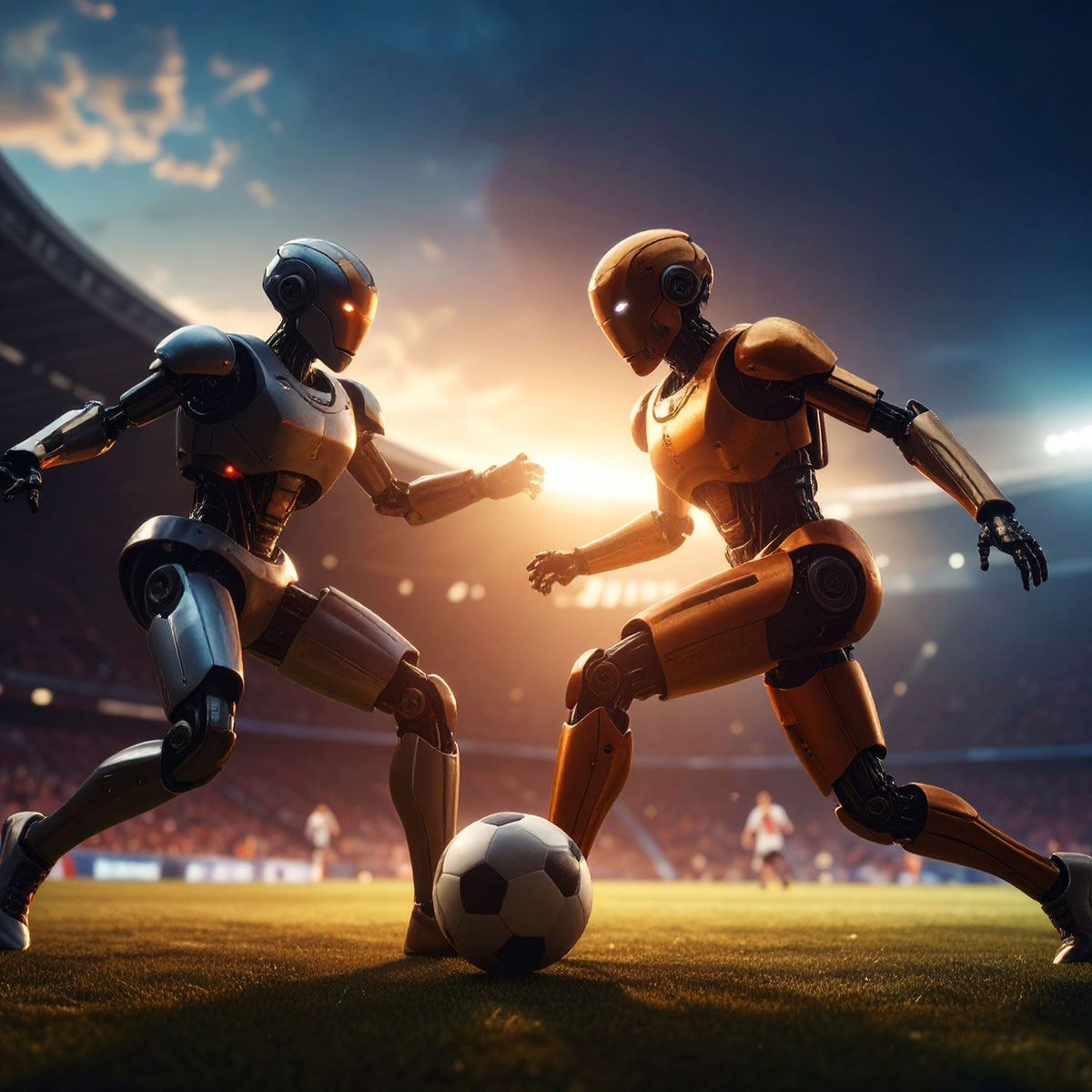
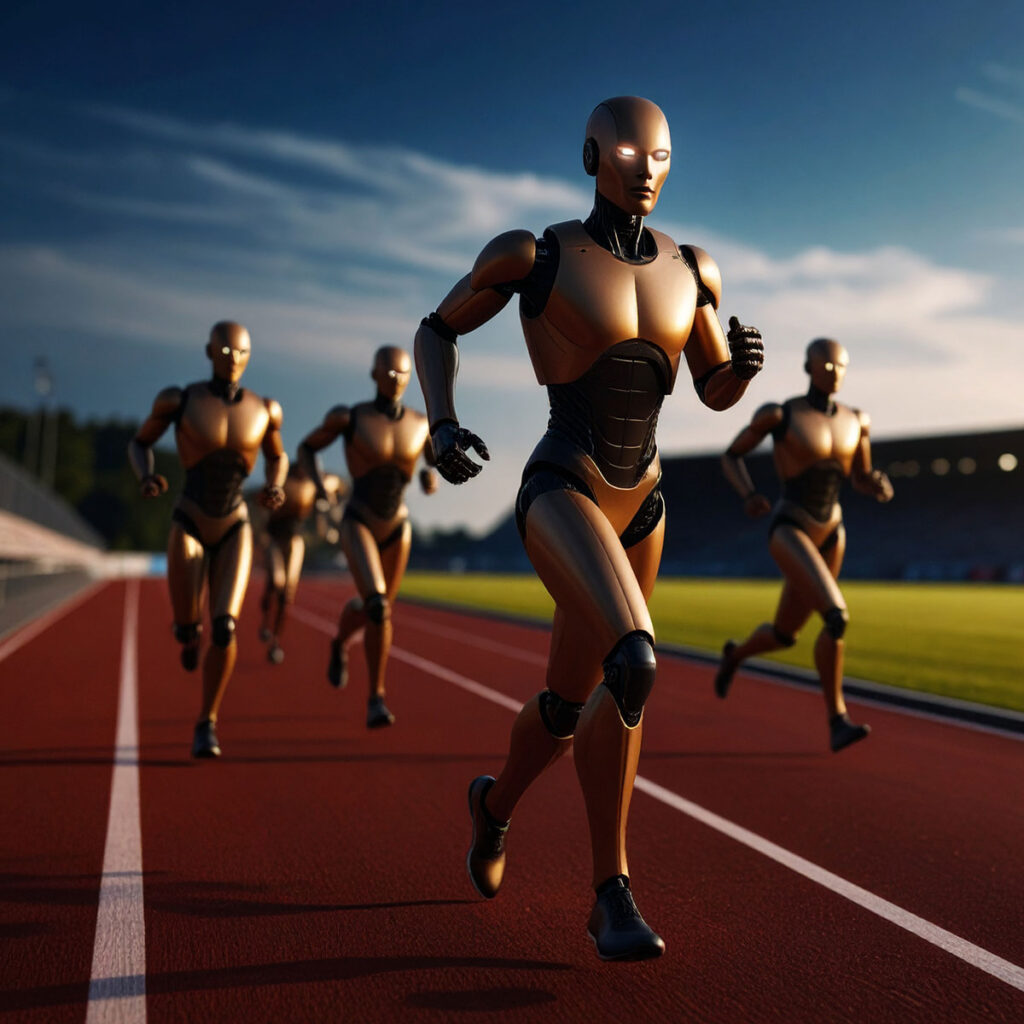
The competition itself featured a wide array of events, ranging from traditional sports to practical tasks. Robots competed in football, track and field, boxing, table tennis, and hurdles. In one memorable moment, ten robots—each roughly the size of a seven-year-old—played five-a-side soccer, often colliding or toppling over in scrums. In the 1500-meter race, Unitree’s humanoid robot completed the course in 6 minutes and 29 seconds, showcasing both speed and endurance, albeit still far behind human world records.
Beyond athletics, robots were tested in real-world scenarios such as sorting medicines, cleaning hotel rooms, and handling industrial materials. These tasks were designed to evaluate perception, decision-making, and motor control—skills essential for future service and domestic robots.
Global Participation and Collaboration
The WHRG attracted a diverse mix of participants, including leading robotics companies, prestigious universities like Tsinghua University and Peking University, research institutes, and even middle schools. Teams used a variety of hardware platforms, with many relying on Unitree’s humanoid models while running custom software. Unitree, in collaboration with the Beijing Institute for General Artificial Intelligence (BIGAI), showcased a “clone system” for closed-loop teleoperation, allowing robots to perform long-duration tasks with precision.
The event drew massive media attention, with nearly 100 international outlets and hundreds of reporters covering the games. Analysts noted that the public’s enthusiastic response reflected a growing global embrace of embodied intelligence and humanoid robotics.
A Showcase of Embodied AI
The WHRG was more than a competition—it was a strategic demonstration of China’s ambitions in robotics and artificial intelligence. The Chinese government has invested heavily in the sector, providing over $20 billion in subsidies and announcing plans for a ¥1 trillion ($137 billion) fund to support AI and robotics startups. Officials emphasized that “every robot participating is creating history,” underscoring the symbolic and technological significance of the event.
The games also served as a public engagement platform. Adjacent to the main venue, the Panda Eye robotics camp hosted live performances, interactive demos, and robot-operated cafes, making cutting-edge technology accessible to local communities.
Why It Matters
The World Humanoid Robot Games represent a pivotal moment in the integration of robotics into public life. By turning real-world tasks into competitive events, the WHRG stress-tested robots’ ability to navigate dynamic environments, make decisions, and interact with humans. These capabilities are crucial for future applications in healthcare, hospitality, manufacturing, and education.
Moreover, the event highlighted the growing importance of international collaboration in robotics. With teams from across the globe sharing ideas, hardware, and software, the WHRG fostered a spirit of innovation and mutual learning that could accelerate the development of humanoid technologies.
Looking Ahead
As humanoid robots become more capable and versatile, events like the WHRG will likely become annual fixtures, expanding in scale and scope. Future competitions may include more complex tasks, longer endurance challenges, and even collaborative events between robots and humans. The WHRG sets a precedent for how robotics can be both a scientific endeavor and a public spectacle—engaging, educational, and inspiring.
In the words of one enthusiastic spectator, “Forget about the Olympics; a new era of robots competing against the world’s best has just begun”.
Share This Page: