
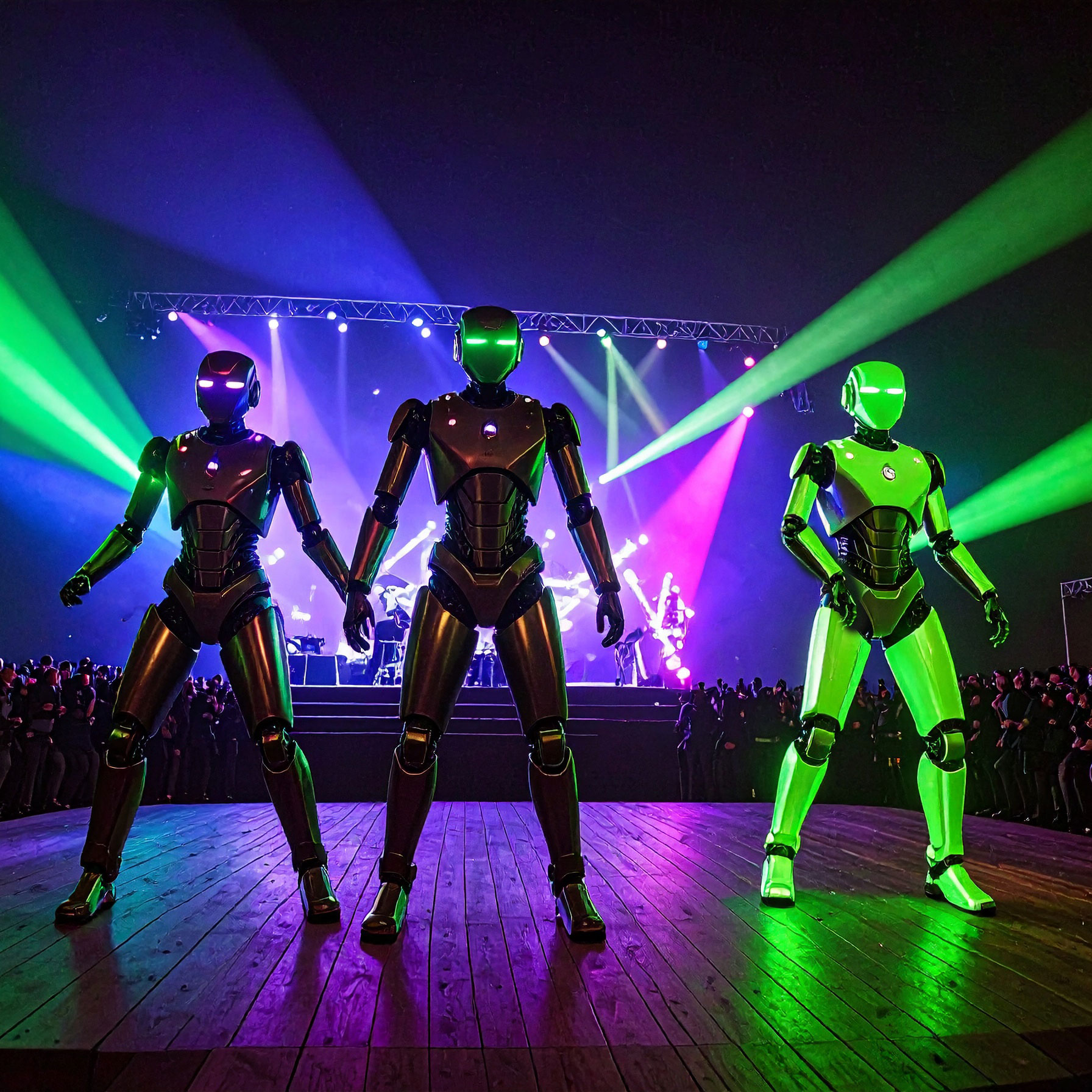
The world of live entertainment is evolving, and animatronic performers are taking center stage in ways that were once the stuff of science fiction. These robotic characters, designed to mimic lifelike movements and expressions, are no longer confined to theme parks or film sets. Today, they’re part of theatrical productions, concerts, and immersive experiences, captivating audiences with their precision and personality. Programming these performers for live shows is a thrilling blend of engineering, choreography, and storytelling.
What Are Animatronic Performers?
Animatronics are robotic systems built to simulate lifelike motion, often resembling humans, animals, or fantastical creatures. They’re dynamic, expressive, and capable of performing scripted routines or responding to live cues. Equipped with servo motors, actuators, and microcontrollers, these robots can move, react, and even speak or sing. Their design typically includes a skeletal frame, joints for mobility, and sensors for interactivity. Add in audio-visual components like speakers and LED eyes, and you’ve got a performer that can truly engage an audience.
Building the Foundation: Hardware Essentials
Before you can program an animatronic performer, you need a solid mechanical and electronic foundation. The skeleton or frame is usually made from aluminum or plastic, with joints and linkages that allow for movement in the limbs, neck, and torso. Servo motors or pneumatic systems drive these motions, while microcontrollers like Arduino or Raspberry Pi handle the control logic. Power supplies—whether battery-based or wired—keep everything running smoothly, and sensors add a layer of responsiveness. Audio systems and visual elements round out the setup, making the robot not just functional but expressive.
Programming Animatronics: The Creative Code
Programming animatronic performers is where the magic happens. You’ll define motion sequences, sync them with audio, and ensure they respond to cues in real time. Platforms like Arduino are perfect for controlling servos and sensors, while Raspberry Pi offers more advanced capabilities like audio playback and networking. Movement choreography involves setting servo angles and timing—think of it as scripting a dance. For example, you might use Arduino code to move an arm to center, pause, then wave. Syncing with audio requires precise timestamping, and routines can be triggered manually or automatically using cue systems.
Voice and Expression: Giving Robots Personality
To make animatronic performers truly compelling, you need to give them personality. Voice integration can be achieved through pre-recorded audio or real-time text-to-speech synthesis, with lip-sync algorithms ensuring that jaw movements match speech. Facial expressions are created using servos for eyebrows, eyelids, and mouths, and subtle micro-movements help avoid stiffness. Body language—posture, gestures, and pacing—adds emotional depth, transforming your robot from a machine into a character.
Live Show Integration: Making Robots Part of the Cast
Integrating animatronics into live shows requires careful planning. Stage blocking ensures that robots are visible and safe, while cue systems trigger routines in sync with lighting and sound. Multimedia elements like projection and audio must be coordinated using timecode or networked control. Operators backstage may use tablets or control panels to manage the robots, with emergency stop and manual override features for safety. The goal is seamless integration—your robotic performer should feel like a natural part of the cast.
Interactivity: Responsive Robots in Real Time
Some animatronic performers are designed to interact with the audience or other performers in real time. This requires sensor-based systems that detect motion or proximity, triggering appropriate reactions. Advanced setups may include AI-driven speech recognition and facial emotion detection for personalized responses. Remote control options allow puppeteers or technicians to guide robots manually, blending automation with human input for hybrid performances. The result is a dynamic, responsive experience that keeps audiences engaged.
Case Studies: Animatronics in Action
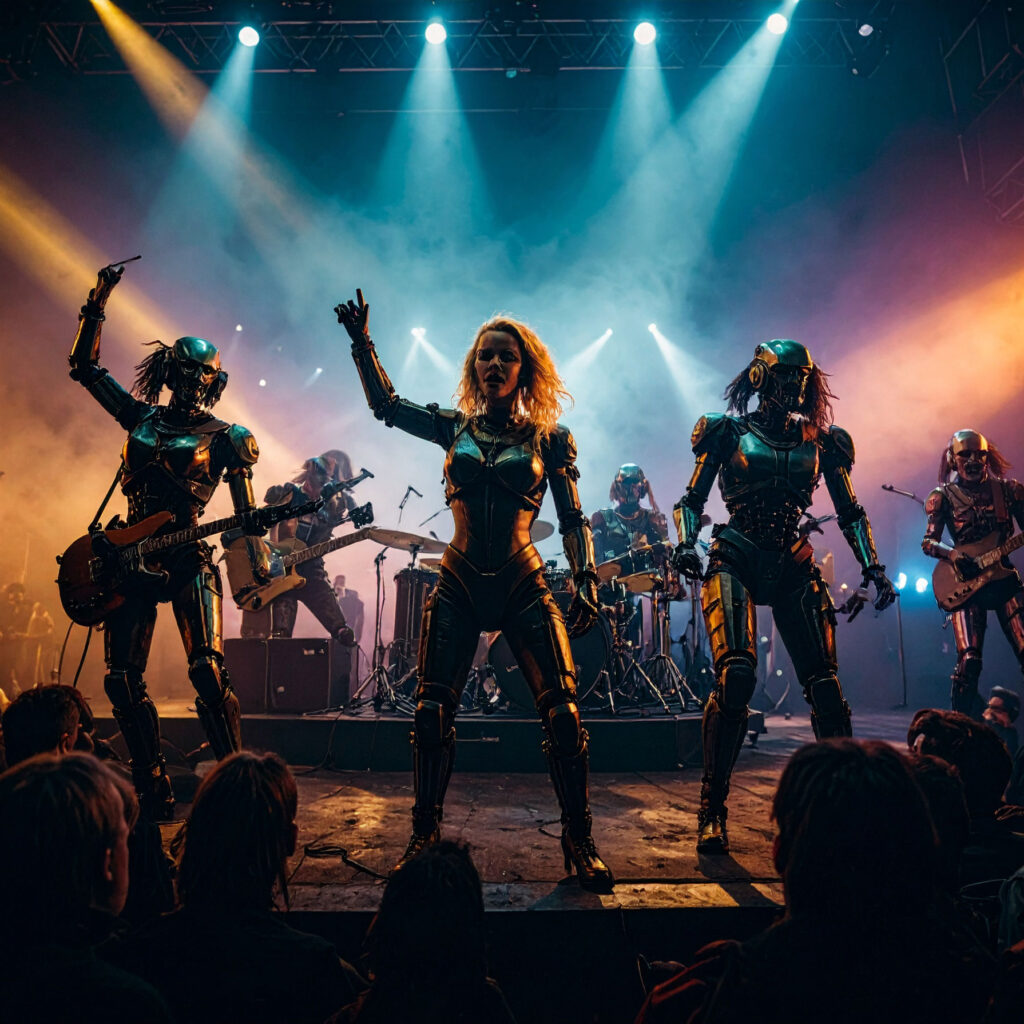
Animatronics are already making waves in live entertainment. In music concerts, bands like Compressorhead feature fully robotic musicians programmed to play instruments live, creating a surreal and electrifying experience. Immersive theater productions, such as “Sleep No More,” have used robotic props and characters to interact unpredictably with guests, adding layers of mystery and engagement. Theme parks like Disney’s Galaxy’s Edge showcase the pinnacle of animatronic storytelling, with characters that move, speak, and react in real time.
Challenges and Tips
Programming animatronic performers isn’t without its challenges. Mechanical limitations must be respected to avoid damaging components, and timing precision is crucial for seamless performance. Power management is essential for long shows, requiring reliable supplies and backups. Regular maintenance ensures consistent operation, and having spare parts on hand is a smart precaution. Testing and iteration are key—run rehearsals, adjust servo speeds, and fine-tune movements until everything feels natural.
The Future of Robotic Entertainment
As technology advances, animatronic performers will become more autonomous, expressive, and integrated into live entertainment. Expect to see:
- Wireless control systems for greater mobility
- AI-driven improvisation for unscripted interaction
- Haptic feedback for touch-based engagement
- Modular designs for quick character swaps
The fusion of robotics and performance art is opening new frontiers in storytelling, audience engagement, and creative expression.
Programming the Magic
Animatronic performers are more than machines—they’re storytellers, entertainers, and co-stars. Programming them for live shows is a creative journey that combines code, choreography, and imagination. Whether you’re building a robotic singer, a dancing dinosaur, or a wisecracking puppet, the process is as rewarding as the performance itself. So cue the lights, fire up the servos, and let your robotic cast take center stage. The future of entertainment is programmable—and it’s ready to perform.
Share This Page: